Justice 4 Climate protest march

The Police, Crime, Sentencing and Courts Bill is returning to the House of Lords. The government have slipped in amendments that effectively criminalise protest.

The right to peacefully protest is fundamental to a democratic society but this bill is a blatant attempt to stifle protest. Typical of this government’s other moves to undermine democracy, the worst aspects of the bill have been through last-minute amendments, meant to get in under the radar, avoiding parliamentary scrutiny.

As writer and activist, George Monbiot, has said: “The government’s back-door amendments to the policing bill are tyrannical. We should be on the streets in our millions… This is proper police state stuff.”

Among other things, the bill would:

  • ban protesters from attaching themselves to another person, to an object, or to land, with a maximum prison sentence for this and other offences of 51 weeks;
  • make it a criminal offence to obstruct in any way major transport works from being carried out;
  • significantly expand police stop and search powers so that the police would be entitled to stop and search people or vehicles if they suspect they might be carrying any article that could be used in the newly prohibited protests;
  • introduce new powers to ban named people from protesting: people would be banned if they had previously committed “protest-related offences”;
  • make it a crime to cause “serious annoyance” to the public, with a maximum penalty of ten years in prison;
  • give the home secretary control over the definition of “serious disruption to the life of the community” and “serious disruption to the activities of an organisation”, both of which could determine when police powers are engaged to limit protest. Essentially, a minister could suppress protests that he or she does not like or agree with.

It would put in jeopardy so many legitimate actions. And it is not only groups like Extinction Rebellion that will be stifled. What about local residents who want to protest against the loss of open space, the closure of a library or other services, the polluting actions of their water company, or the building of a new road? Trade unions and other groups will also be hit.

Indeed, it is hard not to conclude that it will now be difficult to attend a protest without committing an offence.

The Green Party calls the bill “the gravest threat to civil liberties in more than a generation”.

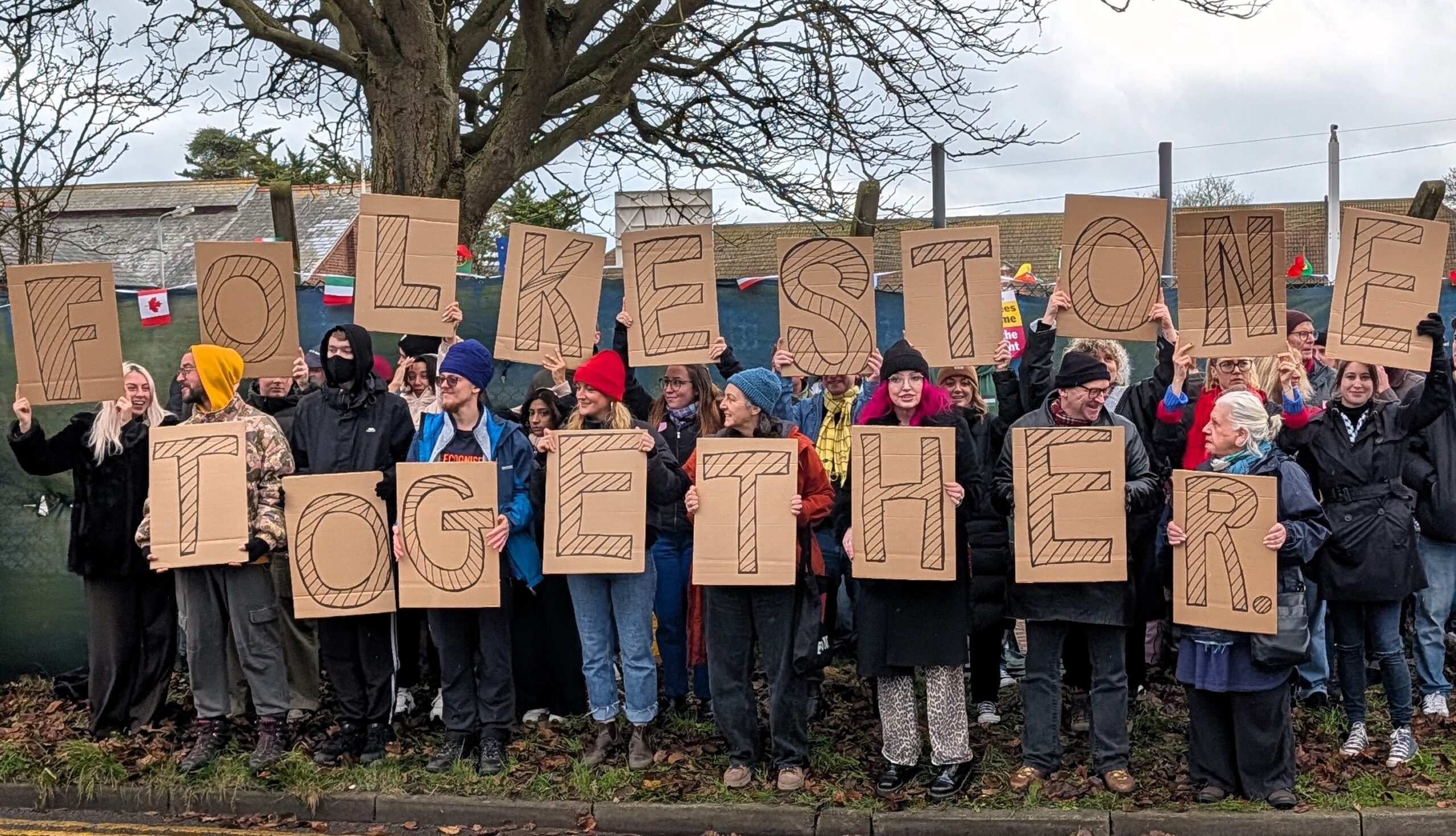
Please take the time to look at the resources in the campaign pack in the link below. Use the template to write to your MP. Take a photo of yourself holding one of the “This Sign Could Get me Sent to Prison” posters and share it using the hashtag #ProtestIsNotACrime. Sign the 38 Degrees petition.
We will be gathering outside our MP Damian Collins’s office 4 Westcliff Gardens in Folkestone at 1pm next Wednesday 12th January. Join us with a poster from the campaign pack and help us stop these amendments being passed into law. Time is running out.

Share This Article, Choose Your Platform!

The Police, Crime, Sentencing and Courts Bill is returning to the House of Lords. The government have slipped in amendments that effectively criminalise protest.

The right to peacefully protest is fundamental to a democratic society but this bill is a blatant attempt to stifle protest. Typical of this government’s other moves to undermine democracy, the worst aspects of the bill have been through last-minute amendments, meant to get in under the radar, avoiding parliamentary scrutiny.

As writer and activist, George Monbiot, has said: “The government’s back-door amendments to the policing bill are tyrannical. We should be on the streets in our millions… This is proper police state stuff.”

Among other things, the bill would:

  • ban protesters from attaching themselves to another person, to an object, or to land, with a maximum prison sentence for this and other offences of 51 weeks;
  • make it a criminal offence to obstruct in any way major transport works from being carried out;
  • significantly expand police stop and search powers so that the police would be entitled to stop and search people or vehicles if they suspect they might be carrying any article that could be used in the newly prohibited protests;
  • introduce new powers to ban named people from protesting: people would be banned if they had previously committed “protest-related offences”;
  • make it a crime to cause “serious annoyance” to the public, with a maximum penalty of ten years in prison;
  • give the home secretary control over the definition of “serious disruption to the life of the community” and “serious disruption to the activities of an organisation”, both of which could determine when police powers are engaged to limit protest. Essentially, a minister could suppress protests that he or she does not like or agree with.

It would put in jeopardy so many legitimate actions. And it is not only groups like Extinction Rebellion that will be stifled. What about local residents who want to protest against the loss of open space, the closure of a library or other services, the polluting actions of their water company, or the building of a new road? Trade unions and other groups will also be hit.

Indeed, it is hard not to conclude that it will now be difficult to attend a protest without committing an offence.

The Green Party calls the bill “the gravest threat to civil liberties in more than a generation”.

Please take the time to look at the resources in the campaign pack in the link below. Use the template to write to your MP. Take a photo of yourself holding one of the “This Sign Could Get me Sent to Prison” posters and share it using the hashtag #ProtestIsNotACrime. Sign the 38 Degrees petition.
We will be gathering outside our MP Damian Collins’s office 4 Westcliff Gardens in Folkestone at 1pm next Wednesday 12th January. Join us with a poster from the campaign pack and help us stop these amendments being passed into law. Time is running out.